

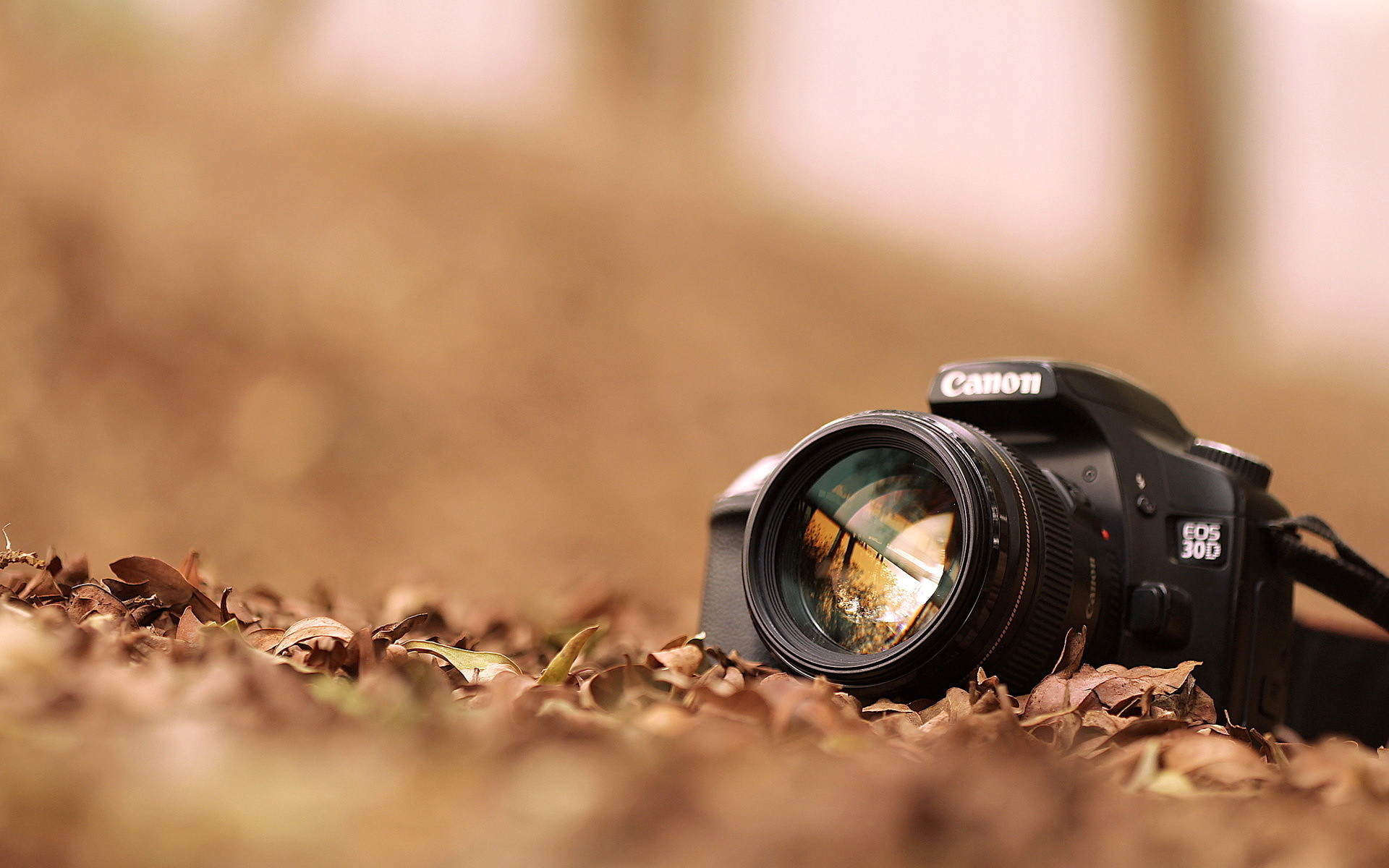
Photography is more than just pointing a camera and pressing a button. The best shots come from proper planning, good lighting, confident posing, and understanding your environment. Whether you're shooting outdoors in natural light or indoors with controlled lighting, knowing how to prepare can completely transform your photos.
In this guide, we’ll explore how to plan your shoot, choose the perfect location, and pose naturally for stunning indoor and outdoor photography.
Great photography starts before the camera is even turned on. Planning helps you create a clear vision for the type of photos you want and ensures every detail works together beautifully.
Before your shoot, consider:
Preparation saves time and helps create more professional-looking images.
Outdoor photography offers natural beauty, dynamic backgrounds, and soft lighting that can make photos look cinematic and vibrant.
Lighting is everything in outdoor photography.
The best time to shoot outdoors is during:
Golden hour lighting creates:
Avoid harsh midday sunlight when possible because it creates strong shadows and overexposed highlights.
Your background should complement your subject, not distract from it.
Look for locations with:
Posing outdoors looks best when it feels natural and relaxed.
Instead of standing stiffly:
Movement adds life and emotion to your photos.
Indoor photography gives you more control over your environment and lighting. With the right setup, indoor shots can look elegant, cozy, and professional.
One of the best indoor lighting sources is a large window.
Position yourself:
Window light creates smooth skin tones and natural shadows.
Avoid relying only on ceiling lights because they often create harsh shadows under the eyes and chin.
If natural light is limited, use artificial lighting tools such as:
Soft lighting creates a cleaner and more flattering look than direct harsh light.
Many people feel uncomfortable in front of the camera because they try too hard to pose perfectly. The secret to great posing is staying relaxed and creating natural movement.
Walk casually while:
This creates candid and effortless photos.
Lean against:
Leaning helps relax your body and creates stylish compositions.
Sit at an angle rather than directly facing the camera.
Keep:
This creates a more natural and flattering appearance.
Stand near a window and:
This creates soft and emotional portraits.
Sit diagonally on a chair rather than straight-on.
Good posture improves every photo:
Mirror photos work well for lifestyle and fashion content.
For better angles:
Camera angles can completely change how a photo looks.
Perfect for:
Helps:
Creates:
Use low angles carefully to avoid distortion.
What you wear plays a major role in the final image.
Avoid neon colors and busy patterns that distract from the subject.
For DSLR or mirrorless cameras:
Editing should improve the image without making it look unrealistic.
Focus on:
Keep edits natural and avoid overusing filters.
Popular editing apps include:
Achieving the perfect camera shot is a combination of preparation, lighting, posing, and confidence. Whether shooting indoors or outdoors, the goal is to create photos that feel natural, balanced, and visually appealing.
The best photos are not always the most perfect ones — they are the ones that capture emotion, personality, and genuine moments.
Take time to plan your shoot, experiment with poses, understand your lighting, and most importantly, enjoy the experience in front of the camera.
The printing industry continues to grow as businesses, schools, organizations, and individuals constantly need printed...
Read More